Steroid Addiction: Myths and Reality
The effect of steroids on the body is quite strong and occurs at the cellular level. One class of this drug is glucocorticoids, which bind to receptors in cells. They activate them and affect gene transcription. Thus, the steroid modulates the immune response, inflammation, and metabolism in cells, which makes glucocorticoids effective in treatment. Anabolic medications also enhance protein synthesis and stimulate muscle growth. As a result, they are widely used in sports medicine, particularly in bodybuilding, to enhance strength and muscular growth.
Note that an athlete may develop an addiction if they use steroids for an extended period of time without medical supervision. The drug is injected or taken orally, and the body adjusts to getting it from outside sources. This lowers the body’s natural production of them. The body might respond in ways that are rather surprising if a person stops taking their prescription. This occurs when the body starts to suffer from a lack of certain compounds, which might have unfavourable effects. If you want to enrol in a course, knowing how the medications function is essential to avoiding steroid addiction. You may utilize them for sports and medicinal objectives in this way, securely and successfully.
Myths About Steroid Addiction: What Is True and What Is Fiction
There are many myths surrounding the topic of anabolic steroid addiction. Unfortunately, people who do not yet have much experience in bodybuilding tend to believe in them. Therefore, we want to dispel the most popular myths scientifically and tell the truth:
- Steroid addiction does not exist
Many people believe that the body does not get used to the drugs after prolonged use. Scientific studies have confirmed that the uncontrolled use of anabolic steroids can cause physical dependence. This is because the body can become accustomed to high levels of steroids. If you reduce your intake, withdrawal symptoms may occur. The person will experience psychological disturbances, sleep problems, fatigue, and a loss of muscle mass.
- It is similar to drug addiction

There are physical manifestations of steroid medication addiction, but they are not the same as drug addiction. They also do not cause as high a level of psychological dependence as drugs. However, the physical manifestations of topical steroid addiction still pose serious health risks.
- Anabolic steroids are safe when used correctly
Even if a qualified doctor prescribes them for you and you follow the dosage, this is not a guarantee of safety. Everyone’s health is different, and scientific evidence confirms that steroids come with potential side effects. Some of the most common are heart, liver, and kidney diseases, as well as metabolic and mental disorders.
- Stopping medication does not cause problems
The body becomes accustomed to receiving steroid substances and stopping use can cause various symptoms. In medicine, this is called withdrawal syndrome and includes decreased energy, loss of performance, and mood changes. To minimize negative effects, it is recommended to undergo post-cycle therapy.
- Women are not susceptible to steroid addiction
Perhaps this myth is based on the fact that women take drugs in lower dosages than men. However, their bodies can also get used to pills or injections, causing physical dependence. This will lead to various problems, namely menstrual irregularities and hormonal imbalances.
We tried to refute persistent myths to inform people about possible risks. A potential health threat always exists and, therefore, must be under medical supervision.
The Biochemistry of Addiction: How Steroids Affect the Brain and Body
During the drug cycle, changes occur in biochemical processes. Anabolic tablets or injections with Testosterone affect receptors inside cells. Thus, they activate protein synthesis processes and increase muscle size. This process occurs through interaction with androgen receptors, which are located in the cell nucleus.
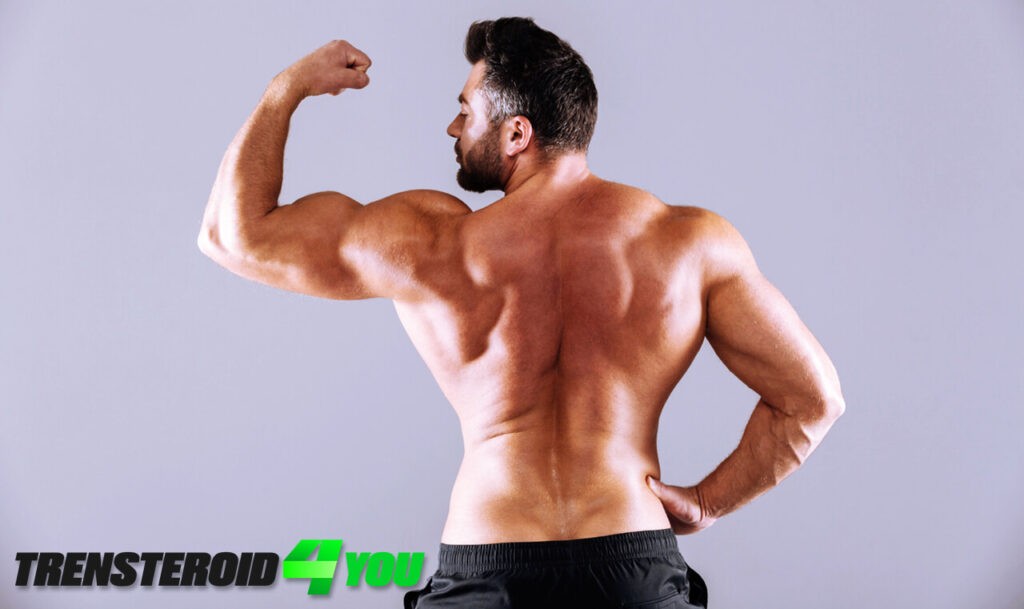
The body tends to adapt to the long-term use of substances and changes levels of growth hormone and cortisol. These changes can affect biochemical processes that regulate emotional state, mood, and brain activity. Let’s take a closer look at how medications affect the brain and body:
- Reward system
Our brain may perceive receiving steroids from external sources as a pleasure. Medications affect the reward system in the brain, including the dopamine centres. This causes a positive emotional reaction and becomes a factor in maintaining the addiction.
- Hypothalamus-pituitary-adrenal axis
The use of anabolic drugs affects the function of the HPA axis. This influence causes changes in hormone levels, namely an increase in cortisol. The higher the level of this hormone, the more you will feel depressed and stressed.
- Serotonin system
The brain’s serotonin system supports the functioning of many areas of the brain as well as the body. It is known that medications can affect it and change the psychological state. Uncontrolled use will lead to an imbalance in this system and cause mental disorders. In this case, the patient is prescribed steroid addiction treatment under medical supervision.
The effect of drugs on the human brain and body is still not fully understood. Therefore, new research is needed to fully understand the biochemical aspects of steroid dependence. This is necessary so that new methods of treatment and prevention of the negative consequences of steroid abuse can be developed.
Symptoms and Signs of Possible Addiction
Addiction to the use of such powerful drugs always harms the human body. Most often, it has physical and psychological manifestations that are difficult to miss. The main symptoms that may indicate a potential steroid addiction are:
- Unreasonable muscle gain
Excessive growth of muscle mass, which cannot be explained in any way, is the most obvious symptom of addiction. This most often affects bodybuilders, who are always looking for ways to build muscle. This can happen even when a person has already achieved high results and cannot stop.

- Frequent cycles of use
It is necessary to take a good break between each course of medication. It is needed so that the body rests and there is a result when going through the next cycle. However, repeated cycles of steroid use without adequate rest periods can signal addiction.
- Increased dose tolerance
With prolonged use of tablets or injections, the body develops tolerance to the substance. The higher this tolerance, the higher the dosage that must be used to achieve results. This can be very dangerous and is a direct sign of drug addiction.
- Negative reaction when reducing the dose
When the body gets used to the drug, reducing its dosage causes a terrible reaction. You may begin to experience topical steroid addiction symptoms, depression, sleep problems, and loss of appetite. Many experience increased aggressiveness and irritability, as well as other psychological problems.
- Ignoring the consequences
With addiction, athletes tend to ignore all the signs that their bodies show them. They accept, with little concern, the negative consequences of drug use. Some of these may be mental disorders, kidney problems, aggression, or disorders of the cardiovascular system.
Only a qualified doctor can make an accurate diagnosis. If you have one of these symptoms, it may not indicate addiction. Only by undergoing a comprehensive examination and assessing the patient’s medical and psychological history can an accurate decision be made.
Prevention and Treatment of Steroid Addiction
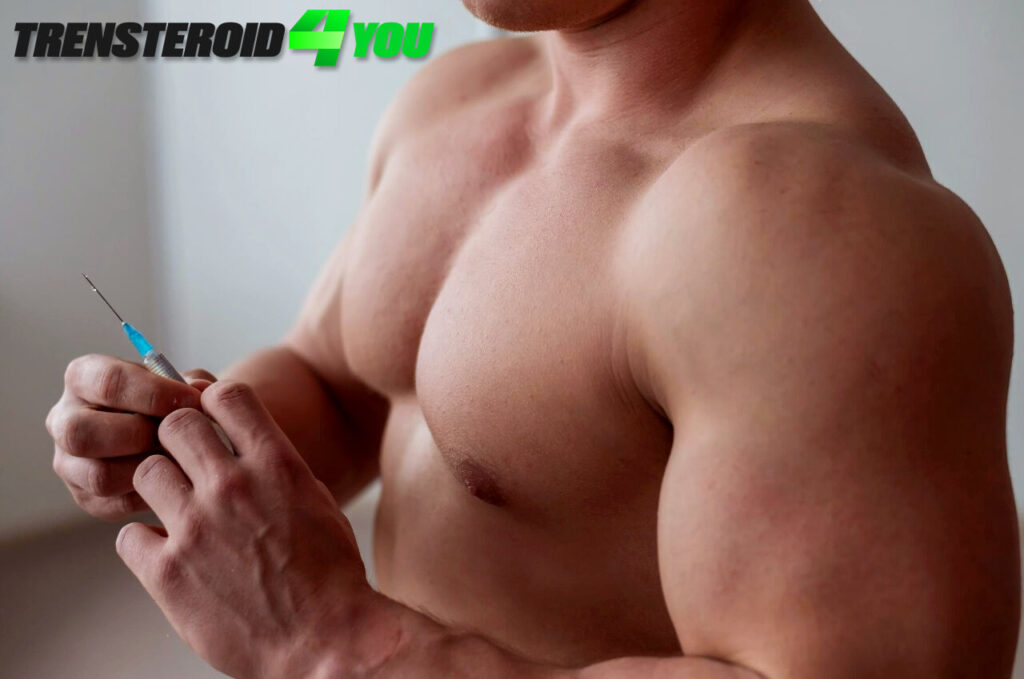
Fortunately, drug addiction is preventable and treatable. This must be done under strict medical supervision. We would like to offer you examples of suggestions for preventing steroid addiction based on modern medical approaches:
- Sufficient awareness
The most important stage of prevention is knowledge of all possible dangers associated with taking medications. Before starting the course, it is important to remember all the risks and side effects. You can achieve good physical fitness and athletic performance using safe methods.
- Sports ethics and rules
The next point is that specialized trainers and medical professionals should emphasize sports ethics. The specialist you contact for help should inform you about compliance with health rules.
Next, we will talk about treatment methods and what is topical steroid addiction. Many different types of addiction require a specific treatment approach. Let’s take a closer look at possible ways to eliminate the disease:
- Medical supervision. Patients who show signs of drug dependence should contact qualified medical professionals. After this, a comprehensive examination and monitoring of hormone levels and other health indicators will be carried out.
- Psychotherapy. Treatment should be comprehensive and include not only physical aspects but also psychological ones. In this case, cognitive behavioural therapy may help change harmful beliefs and behaviour patterns.
- Support from loved ones. To cope with such a problem, family and friends must be close. Such support from loved ones gives very great results in treatment. This may include involvement in rehabilitation programs aimed at restoring physical and mental health.
- Drug therapy. In some cases of steroid cream addiction, as well as tablets and injections, drug therapy can be used. This method will help reduce symptoms and maintain mental stability.
- Post-course therapy. A very important step in overcoming addiction is undergoing PCT. The therapy minimizes potential consequences after stopping medication use and maintains results.
Treatment of steroid addiction requires the intervention of doctors, psychologists, and an individual approach. It would also be a good idea to include rehabilitation specialists to achieve full recovery and prevent relapses.