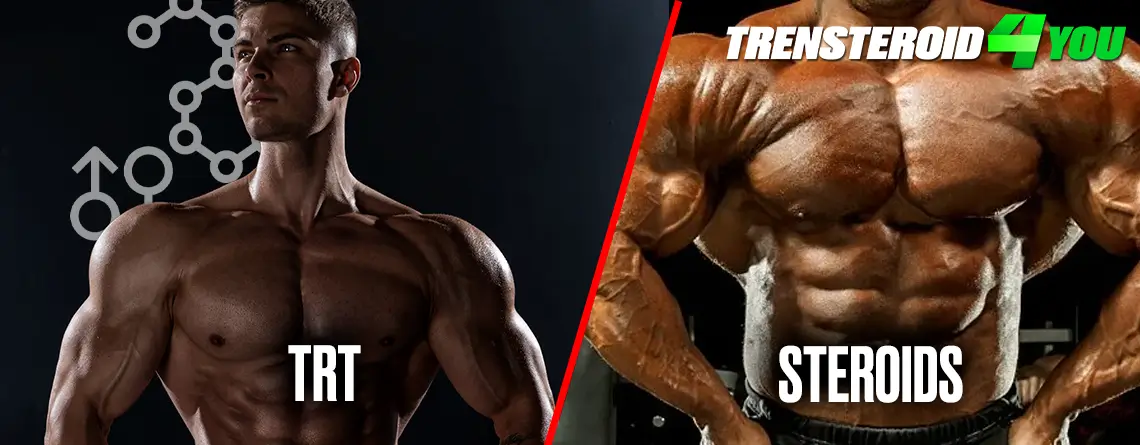
Testosterone Replacement Therapy : Benefits, Uses, and Differences from Steroids
Although the phrases “TRT” and “anabolic steroids,” particularly in bodybuilding and medical contexts, are sometimes used synonymously, they refer to two quite distinct strategies: one aims to boost testosterone levels while the other restores normal levels. TRT is often a medical procedure used to treat males with hypogonadism, a condition marked by inadequate testosterone production in the body, to return their testosterone levels to normal. When used appropriately, TRT’s main goal is to improve quality of life by reducing symptoms including exhaustion, decreased libido, and muscle loss. Health experts regularly monitor this to ensure the safety and effectiveness of treatment.
While TRT completely restores hormonal balance, anabolic steroid doses are sometimes considerably higher and used for reasons other than medicine, which can have a variety of negative impacts and health issues. The key distinctions between TRT and anabolic steroids are significant when judgments regarding hormone regulation and successfully reaching fitness and wellness objectives need to be made.
Introduction
The goal of testosterone replacement treatment is to return patients’ testosterone levels to normal when they have decreased as a result of specific medical disorders. Patients with hypogonadism or those whose levels of testosterone decline with age are administered it. Treatment options for testosterone insufficiency include:
- Injections. Administered directly into the muscle or fat.
- Patches. Applied to the skin for continuous absorption.
- Gels. For maximum convenience and absorption, use topically.
TRT aims to alleviate symptoms including exhaustion, libido dips, and muscular weakness that are linked to low testosterone levels. Healthcare experts regularly monitor this medication to ensure the appropriate dose and limit the likelihood of adverse effects.
Artificial derivatives of testosterone are primarily made for ingestion and are responsible for improving overall physical performance and muscular growth. While there are medical grounds for some problems, such as muscle wasting in chronic diseases, athletes who want to enhance their strength and physique are more likely to use them non-medically. Among the key characteristics of anabolic steroids are:
- Greater doses. Compared to TRT doses, these drugs are administered in much larger quantities.
- Various forms. Available in pills, injections, and topical forms.
- Potential for abuse. A significant number of them were abused to improve performance, which put the abuser’s health in danger.
Making an educated choice about hormone treatment and/or performance improvement will be possible if the distinctions between TRT and anabolic steroids are made clear.
What is Testosterone Replacement Therapy (TRT)?
TRT is a drug used to treat hypogonadism, a condition in which a person’s testosterone levels are low. It works by raising the patient’s levels to normal. It is intended to reduce symptoms brought on by low testosterone, allowing for the regaining of energy and an enhancement in life quality.
Indications and Benefits
Many symptoms and diseases linked to low testosterone are treated with testosterone replacement therapy. Among the common indications and advantages of this therapy include, but are not restricted to:
| Indications | Benefits |
| Low libido | Improved sexual function and increased libido |
| Fatigue and low energy levels | Enhanced energy levels and reduced fatigue |
| Depression and mood swings | Improved mood and mental clarity |
| Loss of muscle mass | Increased muscle strength and mass |
| Increased body fat | Improved body composition and fat loss |
Treatment with TRT is a valuable option for treating low testosterone-related physical symptoms and also improves the patient’s psychological state. As such, it should be given careful thought in these situations.
Comparing Steroid Use with TRT
TRT and performance-enhancing steroid usage are commonly contrasted in the field of hormone treatments, each has a different function and application. Making informed decisions concerning fitness and health will be made easier if one is aware of each supplement’s purpose and method of administration.
Goals and Administration
When deciding between TRT and steroid usage, consideration should be given to the goals of each individual as well as the administration method. Below are some fundamental distinctions between steroid usage and TRT in these areas:
| Aspect | Steroid use | TRT |
| Primary goals | Muscle hypertrophy, enhanced athletic performance. | Restore normal testosterone levels. |
| Target audience | Bodybuilders, athletes, and fitness enthusiasts. | Men and women with testosterone deficiency. |
| Administration methods | Injectable forms, oral tablets, topical gels. | Injections, patches, gels, or pellets. |
| Dosage | Often higher doses in cycles, tailored for maximum gains. | Lower, consistent doses based on medical need. |
| Medical oversights | Often limited and informal. | Close monitoring by healthcare professionals. |
The table demonstrates how testosterone may be affected by steroids and TRT, although the objectives, doses, and means of administration vary greatly. Typically, using steroids means taking significantly greater dosages on a cyclical basis to improve performance. However, there are a lot of possible negative effects to such procedures, and they are frequently used without medical supervision.
Safety and Monitoring
Health results are significantly impacted by safety and monitoring when it comes to hormone therapies, particularly TRT and steroid usage. Appropriate supervision reduces the potential hazards associated with hormone therapy and allows the patient to benefit from them securely and efficiently.

Importance of Medical Supervision
For a variety of reasons, steroid use and testosterone replacement treatment must be done under a physician’s supervision. These are the main reasons why you should do it only like that:
- Personalized care
This is because a doctor can always offer the care that is needed to address a growing demand and assist in achieving certain objectives.
- The monitoring of side effects
It makes it possible to schedule routine examinations to catch any changes early on, such as mood swings, weight gain, or other hormonal changes.
- Blood level management
Blood tests help keep blood hormone levels optimal – that is, neither too high nor too low.
- Risk assessment
With a doctor’s assistance, one may become knowledgeable about their health history and risk factors, which is extremely helpful to prevent heart problems, liver problems, and a variety of other ailments.
- Administration advice
To lower the likelihood of incorrect usage or misuse, the doctor supports the relevant recommendations regarding dose and modalities of administration.
To put it briefly, using steroids or TRT requires medical supervision. Only under this kind of care can the treatment become safe and successful, guaranteeing significant health improvement with the least amount of side effects.
Conclusion
In the end, the decision between TRT and anabolic steroids is based on the needs, objectives, and desired treatment outcomes of the individual patient. TRT, to put it briefly, is a type of treatment whose only goal is to restore ideal hormone levels to enhance overall health. It is intended for those whose testosterone levels are at clinical lows. It is administered with the approval of a physician to ensure safety and minimize negative effects.
Conversely, steroids are frequently used to improve performance and gain muscle mass; nevertheless, they come with a variety of hazards and adverse effects, particularly if they are not administered under a doctor’s supervision. Steroid misuse can result in major health issues, thus, using them responsibly is necessary.
In the end, using TRT or steroids is a very serious matter that should be carefully considered while discussing one’s health objectives with medical professionals. To get the greatest results from any hormonal therapy plan, safety, efficacy, and general health are critical.