Best Bicep Exercises for Maximum Growth
So, let’s get straight to it—when you think about muscles that stand out, the biceps are likely at the top of your list. Whether you’re flexing in the mirror, trying to impress your friends, or just looking to fill out your t-shirts a bit more, the biceps are the stars of the show. But here’s the kicker: making those biceps grow isn’t just about grabbing a dumbbell and curling until your arms give out. Nope, it’s going to take some smart, targeted exercises that hit every part of those muscles and leave them no option but to bulk up.
Let’s be real for a second—bicep training isn’t just about vanity (although, who doesn’t love a good-looking set of arms?). Strong biceps are important for all kinds of movements, from lifting weights to grabbing groceries (because who doesn’t love the idea of effortlessly carrying all your shopping bags in one go?). Whether you’re aiming for those bigger guns for aesthetics or practicality, hitting the biceps properly is the key to unlocking serious gains.
Anatomy of the Biceps
We’re not getting into a full-blown anatomy class here, but understanding what’s going on under the hood is going to help you hit these muscles just right.
The biceps are a two-headed muscle, with each part has its own job in making your arms look epic:
- Biceps Brachii. This is the one you show off when you flex. It’s made up of two parts—the long head and the short head. These guys are responsible for lifting and rotating your arm.
- Brachialis: Now, this muscle doesn’t get as much attention because it’s kind of hidden, but don’t be fooled—this muscle plays a major role in making your arms look thick. It sits underneath the biceps brachii, and when you work it, it adds serious bulk to your arms.
- Brachioradialis. Let’s not forget about this one. It runs along your forearm and plays a key role in helping you curl those weights. Plus, it helps balance the look of your arm, giving you that full, muscular appearance.
Each of these muscles plays a key role in how your arm moves and, more importantly, how it looks.
Importance of Bicep Isolation
Let’s get one thing straight—if you’re after serious bicep growth, isolation is where it’s at. Sure, compound exercises like pull-ups and rows give your biceps some love, but nothing beats giving these muscles your undivided attention.
When you focus on isolating the biceps, you’re eliminating the sneaky help your other muscles love to pitch in. No more relying on your shoulders or back to steal the spotlight. It’s like taking your biceps to the gym on a solo date, and trust me, they’re going to feel every rep. By honing in on these specific muscles, you’re setting yourself up for more efficient muscle breakdown (the good kind that leads to growth) and, ultimately, faster gains.
Top Bicep Exercises
Now it’s time to get down to business with the exercises that’ll have your biceps feeling the burn (and growing like crazy). These moves are your bread and butter—simple, effective, and guaranteed to make those guns pop.
Barbell Curl
Let’s kick things off with the classic barbell curl. It’s simple, but don’t let that fool you—this exercise is a powerhouse for building those peaks. Grab a barbell, stand up straight, and curl that bad boy up towards your chest. The trick here is to keep your elbows locked at your sides. No cheating by swinging your body—this is all about the biceps doing the heavy lifting.
Dumbbell Hammer Curl
Next up, the dumbbell hammer curl. This one’s a fan favorite because it doesn’t just hit your biceps, it also targets that sneaky brachialis muscle hiding underneath. By using a neutral grip (palms facing each other), you’re putting a new kind of stress on your arms, which means more growth. And who doesn’t love that?
Preacher Curl
If you want to take isolation to the next level, preacher curls are your go-to. By locking your arms in place on the preacher bench, you’re forcing your biceps to do all the work. There’s no cheating here—just pure, focused muscle contraction. This move is a bicep killer in the best way possible.
Concentration Curl
The concentration curl is like the secret weapon of bicep exercises. Picture this: you’re sitting on a bench, elbow pressed against your thigh, and you’re curling a dumbbell with laser focus. This move isolates the biceps so well, it’s like giving them their own personal workout. No swinging, no cheating—just pure, concentrated effort.
Cable Curl
If you’re looking for constant tension on your biceps from start to finish, the cable curl is where it’s at. Unlike free weights, where gravity lets you off easy at certain points, cables keep the resistance going the whole time. This means your biceps are working harder with every inch of the curl.
Advanced Bicep Training Techniques
So, you’ve got the basics down, but if you’re really serious about getting those biceps to grow, it’s time to step things up a notch. These advanced training techniques will have your biceps screaming (in the best way possible), and the results will speak for themselves.
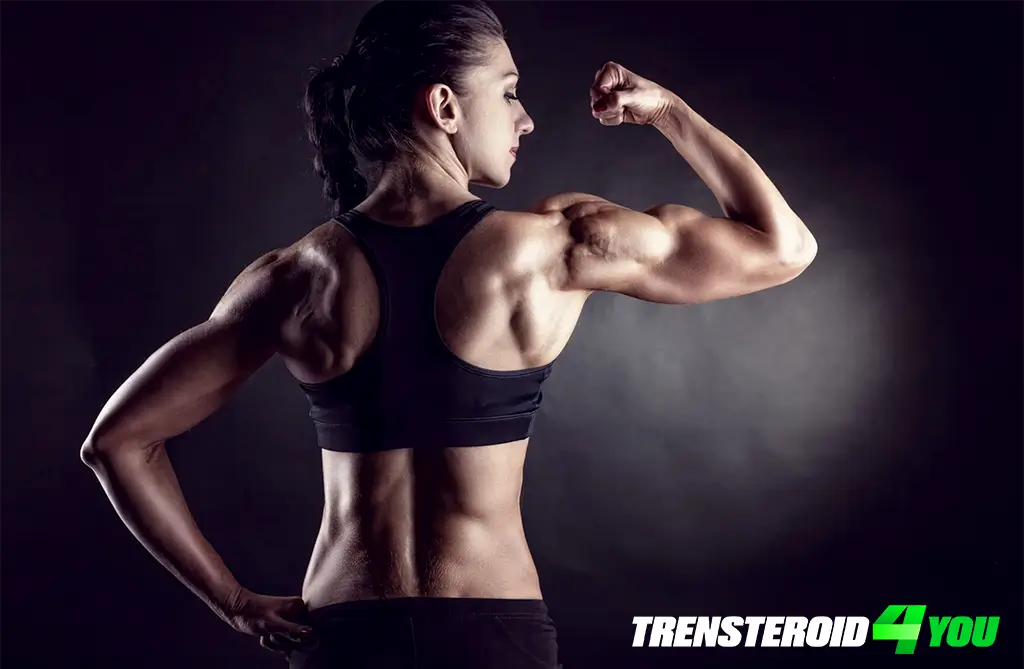
Supersets for Bicep Growth
If you haven’t tried supersets yet, buckle up—because these are a game-changer for bicep growth. Supersets mean doing two exercises back-to-back with no rest in between, and trust me, your biceps are going to feel the burn like never before. The idea is to keep the muscles under constant tension, which is basically like telling them, “Hey, you’re not done yet!”
Here are a few killer superset combos to try:
- barbell curls straight into dumbbell hammer curls;
- preacher curls followed by concentration curls;
- cable curls into chin-ups (that one’s a real burner!).
Supersets are perfect for squeezing the most out of your workout time while giving your biceps that extra push they need to grow.
Bicep Training with Resistance Bands
Resistance bands may not look like much, but they pack a punch when it comes to bicep training. The beauty of bands is that the resistance increases as you stretch them, meaning the further you curl, the harder it gets. That constant tension does wonders for keeping your biceps working through the entire range of motion.
Whether you’re using bands as a warm-up, burnout finisher, or even as a replacement for dumbbells when you’re traveling, they’re a versatile tool to keep in your bicep-building arsenal. Plus, they’re easier on the joints, so you can still get a solid workout without all the strain.
Eccentric-Focused Curls
You think curls are hard now? Wait until you try eccentric-focused curls. The idea here is to focus on the lowering (or eccentric) part of the curl, taking it nice and slow. By slowing down the lowering phase, you’re putting more stress on your biceps, which means more growth potential.
To do it, lift the weight as normal, but lower it super slow—like, painfully slow. We’re talking 4-5 seconds to lower the weight back down. It might sound simple, but your biceps will be feeling it after just a few reps.
Structuring a Bicep Workout
Now that we’ve got all the killer exercises and advanced techniques in your arsenal, it’s time to talk about how to put it all together. You can’t just throw exercises around like spaghetti and hope something sticks (well, you could, but that’s not the way to serious gains). Structuring your bicep workout the right way is crucial if you want to maximize growth without leaving your arms crying for help.
Reps, Sets, and Volume
Here’s where the magic happens. To grow those biceps into sleeve-busting territory, you need the right balance of reps, sets, and volume. If you go too light, you won’t see the gains you’re after. Go too heavy, and you’ll be risking your form—and your arms. The trick is finding the sweet spot between strength and volume.
A simple guide to help you plan it out:
| Training Goal | Reps per Set | Sets per Exercise | Rest Between Sets |
| Strength and Power | 6-8 reps | 3-4 sets | 90 seconds |
| Muscle Growth (Hypertrophy) | 8-12 reps | 3-4 sets | 60 seconds |
| Endurance and Tone | 12-15+ reps | 2-3 sets | 30-45 seconds |
For most people looking to build size, the hypertrophy range (8-12 reps) is the sweet spot. Go with a weight that’s challenging by the last couple of reps, and be sure to give yourself enough rest between sets to hit each one hard. The idea is to keep your biceps working, but not so much that you’re burning out by the second exercise.
How to Avoid Overtraining
Look, we get it. You want bigger biceps, and you want them yesterday. But cranking out curls seven days a week isn’t going to make your arms grow faster. In fact, overtraining is a real thing, and it can put a serious damper on your gains. When you don’t give your muscles enough time to recover, they can’t repair and grow—and that’s the opposite of what we’re going for.
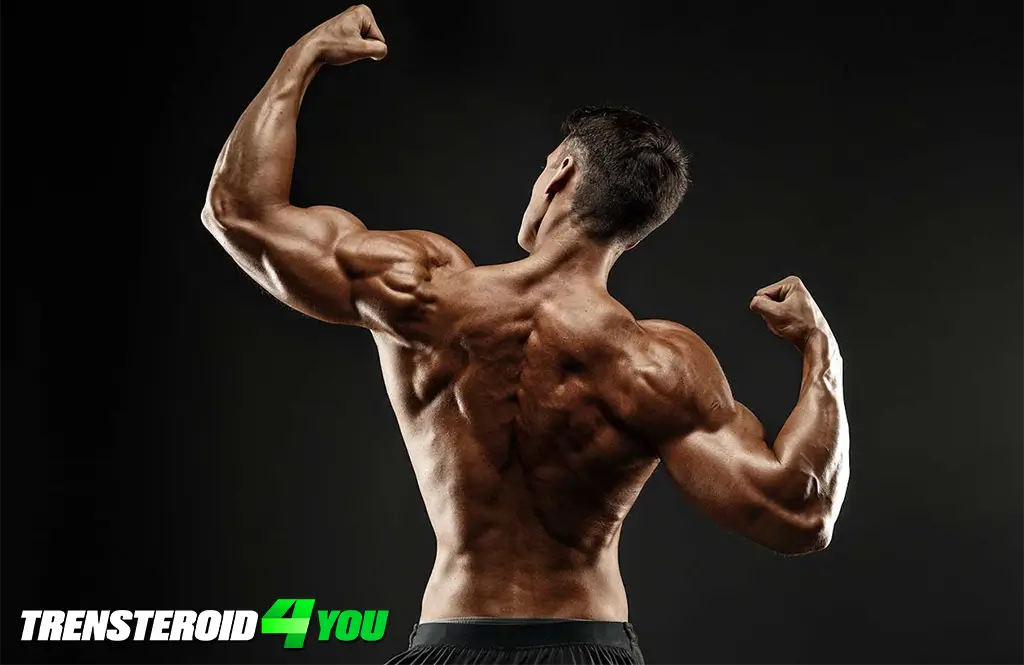
Stick to training your biceps 2-3 times a week, max. Make sure you’re getting at least 48 hours of rest between bicep workouts. It’s during this recovery period that the magic happens—your muscles repair, rebuild, and come back stronger. Overworking them just leaves you tired and sore, and nobody wants that.
Common Mistakes and How to Avoid Them
Alright, so you’ve got your bicep workout all structured, but before you head off to curl your way to glory, let’s talk about some common traps that could derail your gains. Even with the best intentions, there are a few classic mistakes that many people make when trying to bulk up their arms. The good news? They’re easy to fix, and once you know how to avoid them, you’ll be cruising towards those bigger biceps in no time.
Incorrect Form
We’ve all seen that guy at the gym who’s swinging weights around like he’s trying to start a lawnmower. Sure, he’s lifting heavy, but his form is all over the place, and spoiler alert—his biceps aren’t getting much out of it. When it comes to bicep exercises, form is everything. If your form is off, you’re shifting the work to other muscles (or worse, your lower back), and your biceps aren’t getting the workout they deserve.
Here’s the fix: slow it down. Lock your elbows in place, focus on keeping the movement controlled, and resist the temptation to use momentum. When you perform each rep with proper form, your biceps have no choice but to do the work, which is exactly what you want.
Overemphasis on Weight vs. Technique
Yes, lifting heavy is cool. But if you’re sacrificing technique just to show off with a bigger dumbbell, you’re not going to see the gains you’re hoping for. Ego-lifting might impress a few people in the moment, but it won’t help you build those biceps long-term. Remember: it’s not about how much weight you can curl, it’s about how well you can make your biceps do the work.
What happens when you focus too much on weight versus focusing on technique:
| Focus | Weight | Technique |
| Ego-lifting | Too heavy | Swinging, bad form, and risking injury |
| Proper bicep growth focus | Challenging weight | Slow, controlled movements; full range of motion |
Instead of trying to lift the heaviest weight you can find, focus on using a weight that challenges you while allowing you to maintain perfect form. Your biceps will feel the difference—and so will your sleeves.