How to Build Strong Legs: A Complete Guide
Let’s face it—leg day has a bit of a reputation. It’s the workout everyone loves to hate, but here’s the thing: if you want to build a balanced, powerful physique, skipping leg day isn’t an option. Strong legs aren’t just about looking good in shorts (although, hey, that’s a nice bonus). Your legs are the foundation of almost every athletic movement, from running and jumping to lifting and even standing. Neglecting them is like trying to build a house without a solid foundation—sooner or later, things are going to get wobbly.
Importance of Lower Body Strength
Building strength in your lower body is crucial for pretty much everything you do, from walking up stairs to picking up groceries, and even to maintaining good posture. When your legs are strong, your entire body benefits. You’ll have more stability, better balance, and way more power to tackle those big lifts like squats, deadlifts, and even overhead presses (yep, your legs play a role there too).
Plus, let’s not forget that working your legs builds endurance and stamina. Strong quads, hamstrings, and glutes make it easier to tackle cardio workouts, run farther, and jump higher. And if you’re into burning calories? Training your lower body is a game-changer because leg muscles are some of the biggest in your body, and they burn more energy when you work them.
Common Myths About Leg Workouts
There’s a lot of misinformation floating around when it comes to leg workouts.
Busting myths wide open:
- Squats are all you need. Sure, squats are amazing, but they’re not the only leg exercise worth doing. A well-rounded leg routine needs a variety of moves to target every muscle.
- Lifting heavy isn’t necessary. If you want to build real strength and muscle, heavy weights are your friend. Bodyweight exercises are great, but you won’t see the same growth without adding some serious resistance.
- Cardio is enough for legs. Running or cycling may work your durability, but they won’t build muscle. To grow those quads and glutes, you need strength training in the mix.
- Training legs makes you bulky. Ladies, this one’s for you. Building strong legs won’t turn you into the Hulk. Instead, you’ll be shaping lean, toned muscles that improve your overall physique.
With these fake myths behind, it is possible to find the actual help exercises for solid gains.
Essential Leg Exercises
Whether you’re looking for explosive power, strength, or just some solid quads, these essential leg exercises will cover all the bases. Each of these moves targets your lower body in a different way, so you’ll be building a balanced, strong foundation.
Squats
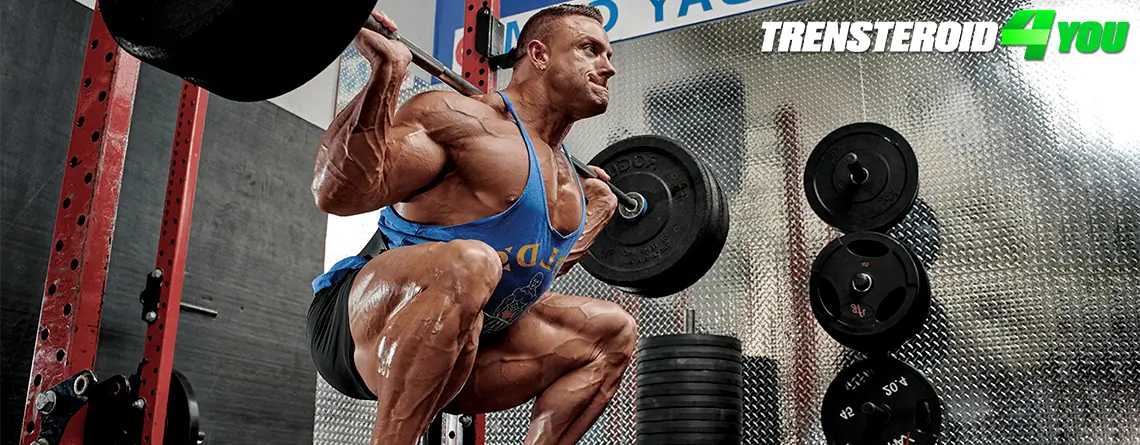
We can’t talk about leg training without starting with squats, the undisputed king of leg exercises. Squats are the all-in-one move that hits your quads, hamstrings, glutes, and even your core. Whether you’re doing them with a barbell, dumbbells, or just bodyweight, squats are the ultimate lower-body builder. Plus, they help you develop full-body strength and mobility. The key? Get low, keep your chest up, and don’t skimp on depth.
Lunges
Lunges are the perfect complement to squats, working your legs unilaterally (one at a time), which helps to balance out any muscle imbalances. They target the quads, hamstrings, and glutes while also giving your balance and coordination a good challenge. Whether you’re stepping forward, backwards, or doing walking lunges, this exercise will fire up those legs in no time. Don’t be surprised if you feel the burn after just a few reps!
Deadlifts
When it comes to lower body strength, deadlifts are non-negotiable. This exercise doesn’t just hit your hamstrings and glutes—it’s also a full-body powerhouse that strengthens your back, core, and even your grip. Deadlifts come in all flavors: conventional, sumo, or Romanian, but whichever variation you choose, remember to keep your back straight, drive through your heels, and feel the power in your posterior chain.
Leg Press
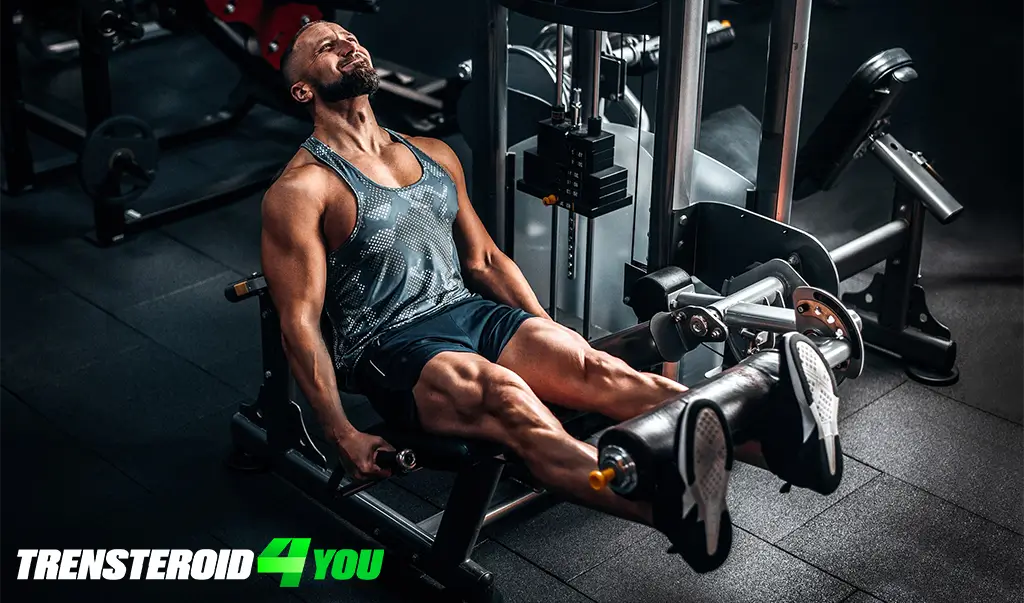
The leg press is another classic move that allows you to load up heavy weights without putting strain on your back. It primarily targets the quads but also hits the glutes and hamstrings. As you adjust your foot placement, you can emphasize different parts of your legs. Keep in mind, though, it’s not a substitute for squats—it’s more of an accessory move to complement your routine.
Step-Ups
Step-ups may seem simple but don’t underestimate their power. This exercise builds strength and stability in your quads, glutes, and hamstrings while also improving your balance. The higher the step, the more challenging the move becomes. Bonus points for adding weights to make it even tougher! They’re also great for functional strength, mimicking movements you use in everyday life.
Advanced Leg Exercises
So, you’ve got the basics down, but now it’s time to step up your game (pun intended) with some advanced moves. These exercises are not just for those looking to push the limits—they’ll also target those deep muscles that often get missed with traditional leg exercises.
Bulgarian Split Squat
If you thought regular lunges were tough, wait until you try the Bulgarian split squat. This single-leg exercise is a real beast, working your quads, glutes, and hamstrings while forcing your core to stabilize like never before. Place one foot behind you on a bench and lower yourself into a squat on the front leg. You’ll feel the burn, and that’s how you know it’s working. Plus, since you’re working one leg at a time, you’re fixing any imbalances while building serious lower body strength.
Romanian Deadlift
The Romanian deadlift is the golden ticket for targeting those hamstrings and glutes. Unlike the conventional deadlift, the focus here is on the lower half of the movement. Keep your legs slightly bent, hinge at your hips, and lower the bar or dumbbells down until you feel a deep stretch in your hamstrings. Then, power back up to standing. The slower and more controlled, the better—this one’s all about form and precision. Not only does it help develop those posterior muscles, but it also builds a rock-solid core.
Pistol Squat
Ah, the pistol squat. This move is a fan-favorite for showing off your lower body strength and balance. It’s a one-legged squat where you lower your body all the way down while keeping one leg extended straight out in front of you. It’s tough, but it works every muscle in your leg, including those stabilizers that rarely get attention. If you’re struggling to master it, don’t worry—it’s normal! Start by holding onto something for balance, or try it on a box until you get the hang of it.
Structuring a Leg Workout
Now that you’ve got your essential and advanced leg exercises down, it’s time to talk strategy. You can’t just walk into the gym, do a few squats, and expect your legs to turn into powerhouses. Structuring your leg workout properly is the key to making real progress—without overworking your muscles or burning yourself out.
Reps, Sets, and Rest Periods
When it comes to building strong legs, there’s no one-size-fits-all approach.
The number of reps and sets you do depends on your goals:
| Goal | Reps | Sets | Rest Period |
| Strength and Power | 4-6 reps | 3-5 sets | 2-3 minutes |
| Muscle Growth (Hypertrophy) | 8-12 reps | 3-4 sets | 60-90 seconds |
| Endurance and Tone | 12-15+ reps | 2-3 sets | 30-45 seconds |
If you’re aiming for serious strength, keep the reps low and the weights heavy. For hypertrophy, the sweet spot is 8-12 reps, where you’ll feel the burn but still maintain good form. If durability is your goal, stick to higher reps with shorter rest periods. The key is balance—don’t overload your legs with too much volume, but also don’t be afraid to push them hard.
Combining Leg Workouts with Full-Body Training
You don’t have to dedicate a whole workout to just legs (unless you want to). Leg exercises can be combined with other upper-body or full-body movements to maximize efficiency.
Incorporation of leg training with full-body workouts:
| Workout Focus | Exercise Pairing | Best For |
| Full-Body Strength | Squats + Overhead Press | Power and overall strength |
| Lower Body Focus | Deadlifts + Pull-Ups | Building leg and back strength |
| High-Intensity Conditioning | Lunges + Kettlebell Swings | Cardiovascular endurance and toning |
Pairing leg moves with upper body exercises or conditioning work keeps the intensity high, saves time, and ensures that you’re hitting all the major muscle groups in one session. Plus, it’s a great way to get more bang for your buck, especially if you’re short on time.
Tips for Maximizing Leg Gains
You’ve got the exercises and the structure down, but if you really want to make those leg gains count, there are a couple of extra steps you’ll need to take. It’s not just about crushing it in the gym—it’s also about what happens when you leave. Nutrition, restoration, and flexibility all play a major role in how quickly you’ll see results from your leg workouts.
Nutrition and Recovery
If you’re hitting leg day hard but not fueling your body right, you’re missing half the battle. Strong legs require a solid diet packed with the proper nutrients, especially protein, to repair and grow those muscles.
What your nutrition and recovery plan should look like:
| Focus | Nutrient | Purpose |
| Protein | Chicken, fish, eggs | Muscle repair and growth |
| Carbohydrates | Sweet potatoes, rice | Refuel energy stores for better performance |
| Fats | Avocados, nuts | Supports hormone balance and joint health |
| Hydration | Water, electrolytes | Prevents cramping and supports muscle recovery |
Post-workout organism renewal is just as important as what you do in the gym. After a tough leg session, your muscles are begging for rest, so make sure you’re getting enough sleep (around 7-8 hours a night) and taking rest days to let those legs rebuild stronger than before. Don’t underestimate the power of proper rest—it’s where the magic happens!
Importance of Mobility and Flexibility
Leg strength is crucial, but so is keeping those muscles loose and flexible. If you’re neglecting mobility and flexibility, you could be setting yourself up for stiffness, reduced range of motion, or even injury.
The key is to incorporate stretching and mobility work regularly for solid reasons:
- Increased range of motion. Flexible muscles move better, which helps you squat deeper and deadlift heavier without straining your joints.
- Injury prevention. Stretching reduces the risk of muscle strains and injuries to keep you in the game longer.
- Better organism renewal. Flexibility work helps release tension in tight muscles, which speeds up restoration so you can hit the gym harder next time.
Mobility exercises like foam rolling, dynamic stretching, and yoga are great ways to keep your legs feeling fresh and ready for action. They help you crush leg day and improve your athletic performance to keep your body moving like a well-oiled machine.