
Steroids and Medicine: Key Aspects of the Effects on the Body
Beginning in 1940 with the discovery of cortisone, the history of steroid usage in medicine was written. It was then extensively utilized for the next 20 years to treat rheumatoid arthritis. It works well to lessen pain and inflammation because of its anti-inflammatory characteristics. Subsequently, glucocorticoids were employed in medicine between 1960 and 1970. As an oral steroids for upper respiratory infection, autoimmune disorders, and allergies, prednisolone was the most often prescribed medication. When it came to treating cancer, steroids were first employed in 1980. To lessen postoperative inflammation and avoid organ rejection, their usage in surgery has increased since the 2000s. Infections, tumours, skin conditions, and many other illnesses are treated with these medications.
The impact of pharmaceuticals on the human body is substantial. They can inhibit immune system function in addition to reducing inflammation. The following is a primary list of how steroids affect the body in medicine:
- anti-inflammatory effect
- endocrine changes
- metabolic effects
- osteoporosis
- immunosuppressive actions
There is a proper steroid that can help treat almost every ailment. Only a medical professional with experience prescribing such medications may do so. We shall next examine more closely the conditions that steroids are used to treat. We will also talk about all the advantages and potential drawbacks for the body.
Types of Steroids and Their Medical Uses
The doctor recommends the right drug for each patient. Based on the outcomes of your exams and the tests you still need to do, he makes this decision. An outline of the various steroid classes and their therapeutic characteristics is provided below:
- Glucocorticoids
This type of drug has anti-inflammatory and immunosuppressive properties. Some well-known examples are prednisolone, dexamethasone, and hydrocortisone. They are most often used as oral steroids for bronchitis and also for the treatment of asthma, allergies, autoimmune diseases, and in the postoperative period.

- Mineralocorticoids
Designed to regulate the balance of electrolytes and water in the human body. In medicine, mineralocorticoids are used to treat diseases that are associated with dysfunction of the adrenal glands. For example, the drug fludrocortisone is used to treat Addison’s disease.
- Anabolic steroid
Some of the most commonly used anabolic steroids are oxandrolone, turinabol, nandrolone, and others. A physician can prescribe it to treat muscle loss and cachexia caused by chronic illness, infection, or injury.
- Estrogens and progesterone
They are used to monitor hormone levels during therapy. Also, steroids such as estrone, estradiol, and progesterone are used in contraception, the treatment of menopause, and several gynaecological and endocrine disorders.
- Androgens
The most famous example of an androgenic steroid is testosterone. This is an artificially synthesized form of the male sex hormone, which is used in the treatment of hypogonadism, delayed puberty, and some forms of anemia. And also to restore the level of male sex hormones in the body.
Only a specialist can assist you in selecting the right medication if you are unsure about the distinctions between oral steroids vs injection for inflammation. Recall that self-administration of drugs and disregard for advice might result in difficulties.
Benefits of Steroids in Medicine
Steroids are often used in medicine and are effective in treating a wide range of illnesses and ailments. The following are their primary advantages:
- Anti-inflammatory properties
The drugs have strong anti-inflammatory effects. Consequently, physicians recommend them for the management of inflammatory joint conditions such as rheumatoid arthritis and systemic lupus erythematosus. Glucocorticoids are going to be quite beneficial for allergic reactions, especially for allergic rhinitis and urticaria.

- Reducing symptoms
The use of oral steroids for sinus infection will be very effective as they reduce symptoms. They can also be used for chronic obstructive pulmonary disease. The drugs will help cope with inflammation and make breathing easier.
- Regulating hormone levels
Medicines are good at regulating hormone levels in cases of endocrine disorders. Steroids such as progesterone and estrogens are most often used in hormone therapy. A doctor may prescribe them for the treatment of menstrual irregularities, menopause, and other gynecological problems.
- Treatment of skin diseases
Ointments containing steroid substances reduce itching and help fight inflammation. Most often, they are used to treat various types of dermatitis, eczema, and even psoriasis. They are quite effective in helping to alleviate negative symptoms when prescribed by a specialist.
- Neurology and back problems
Some drugs are used in the treatment of spinal diseases. Oral steroids for back pain actively reduce inflammation and swelling in degenerative spinal diseases.
These are the main advantages of medications that are used for medical purposes. In addition to all this, they also help with adrenal diseases, compensating for the lack of hormones. They are also used to suppress the immune response and prevent organ transplant rejection.
Risks and Side Effects of Medical Use of Steroids
Although the use of drugs helps cure many diseases, they can also cause negative reactions. We want to tell you about the potential risks and side effects that patients face with the medical use of steroids:
- Osteoporosis
Taking glucocorticoids for too long can lead to bone loss and an increased risk of osteoporosis. To avoid this, you should increase your intake of calcium and vitamin D.
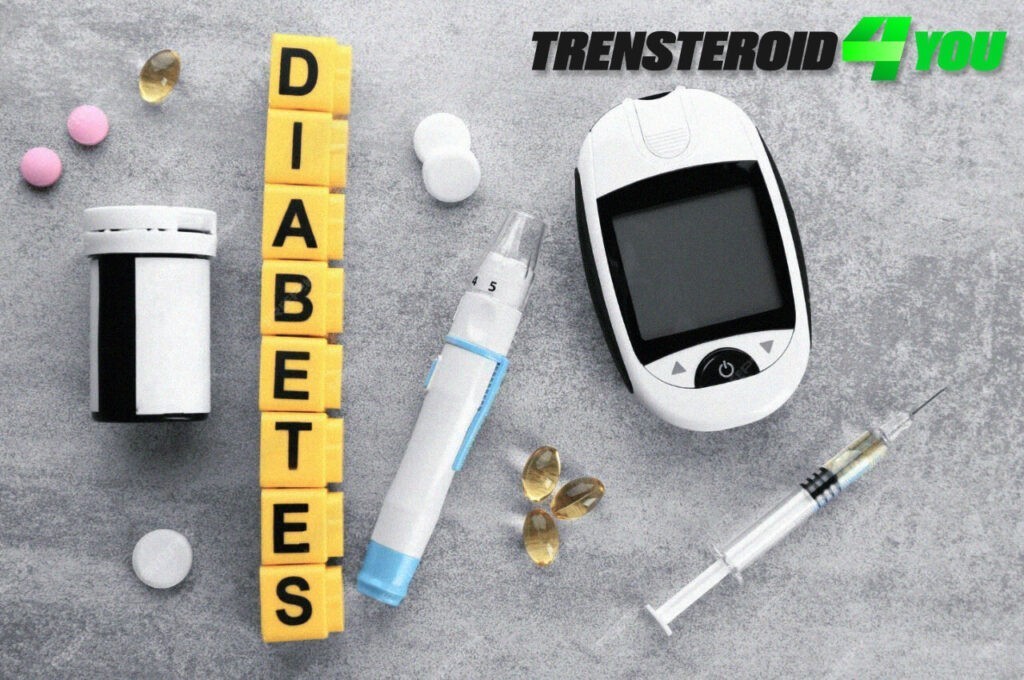
- Diabetes
Some drugs raise patients’ blood sugar levels, thereby increasing the risk of developing diabetes. Those people who are predisposed to such a disease should carefully monitor their blood glucose levels and change treatment if necessary.
- Cardiovascular complications
Steroids put a lot of strain on the heart and also change the composition of the blood. This increases the risk of cardiovascular diseases such as thrombosis and heart attacks. To prevent such problems, experts recommend leading a healthy lifestyle and, in some cases, antithrombotic therapy.
- Immune disorders
Oral steroids for ear infection can not only reduce inflammation but also suppress the immune system. This may increase the risk of infection, so you should avoid contact with people who are sick. Also, listen to your doctor and follow his recommendations for preventing infections.
- Psychological effects
Medications may cause various mental disorders in patients. This may include depression, mood swings, apathy, and sleep problems. To avoid such effects, you should be under the supervision of a doctor and inform him of problems in time.
- Hormonal issues
Even though the medications are meant to replenish hormone levels, improper usage of them might result in an imbalance of hormones. The blood levels of cortisol and testosterone will inevitably drop as a result of this. Check and test your hormone levels regularly.
- Glaucoma
Using pills or injections carries a certain risk of getting glaucoma. Due to their tendency to raise intraocular pressure, prolonged medication courses may be particularly responsible for this. It is recommended that patients who are at risk for this condition take frequent ocular pressure readings.
Only a certified medical specialist can prescribe the appropriate steroid. He will adjust the required dosage as well as the duration of the course. This way, you will reduce the chance of unpleasant side effects.

Steroids in Modern Medical Practice: Challenges and Prospects
Medicines such as steroids play a very important role in medicine. They are prescribed to treat a wide range of diseases and reduce symptoms. Glucocorticoid drugs are the basis of anti-inflammatory treatment. They are used for rheumatic diseases, allergies, and asthma, as well as in the context of oncological and transplant procedures. Oral steroids for asthma have powerful anti-infective and immunosuppressive properties. In medicine, this makes such drugs indispensable in the fight against various pathologies.
Despite all the positive effects of medications, they also have a downside. The use of steroids may be accompanied by potential side effects that greatly impair health. They increase the risk of osteoporosis and hypertension, disrupt metabolism, and so on. Thus, all current drug research is aimed at minimizing the occurrence of these risks. Scientists are creating new and more precise steroid formulas that will reduce side effects. They are trying to improve their targeting of the affected tissues and effectively address the problem. All of these improvements can guarantee your safety and expand the potential of drugs to treat various diseases.
In the future, new technologies will be used to use tablets and injections in medical practice. This may include biological therapy, genetic modification, or a personalized approach to treatment. Such research is aimed at more effective and safe therapeutic strategies. Improved oral steroids for eczema, bronchitis, cancer, and other diseases will be able to better meet the needs of patients. Medicines containing this substance will continue to be indispensable in medical practice and will help people.